Nightcleaners (Part 1) and ‘36 to ‘77 were made by a collective of independent artists and filmmakers working together, sharing time, equipment and expertise. The individuals involved in these documentaries have also gone on to make an extensive and varied body of work outside of the collective. The links below provide more information on each artist’s unique career.
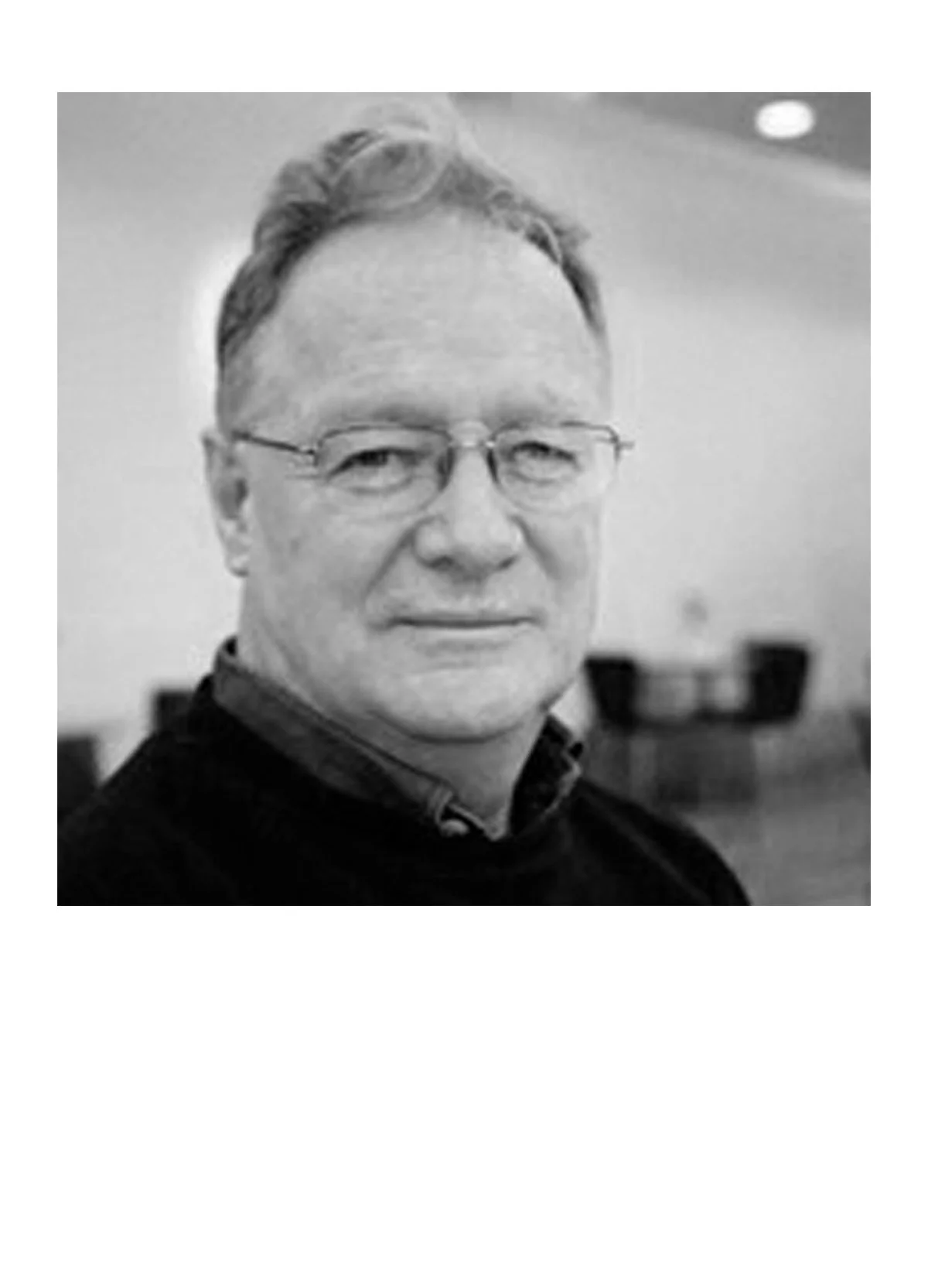
Marc Karlin - https://spiritofmarckarlin.com/
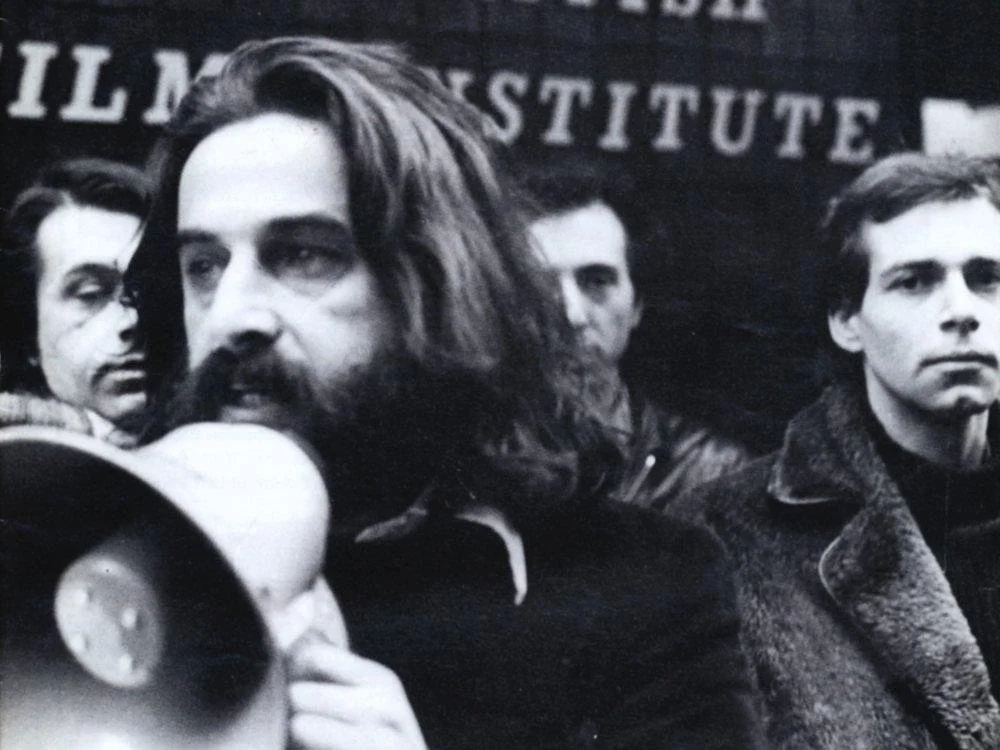
Marc Karlin was a British filmmaker and a central member of the Berwick Street Film Collective, whose politically engaged, formally experimental documentaries helped define independent UK cinema from the 1970s onward. Through works such as Nightcleaners (1975), For Memory (1982), and his later Channel 4 essay films, he explored themes of memory, labour, and political consciousness with a philosophical and visually innovative approach. His films remain key contributions to the evolution of the essay documentary and the politics of representation in late-20th-century Britain.
Mary Kelly - https://www.marykellyartist.com/
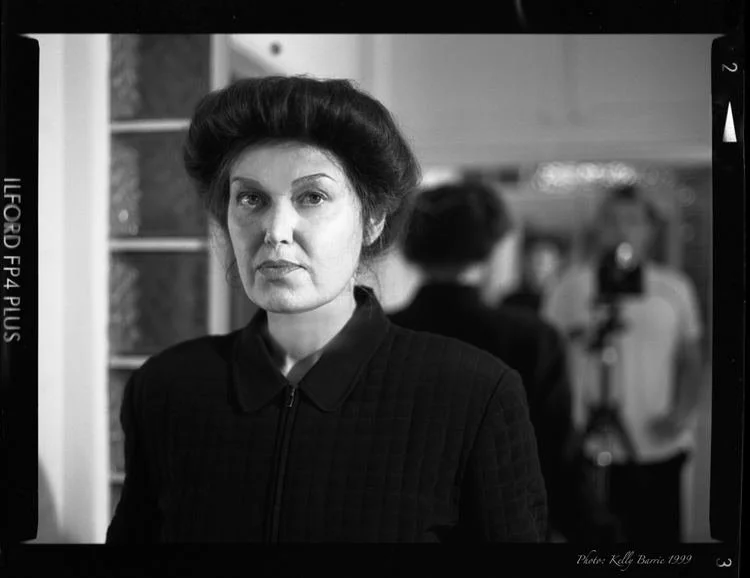
Mary Kelly is an influential artist whose project-based work explores feminism, identity, and historical memory through large-scale narrative installations. After studying painting in Florence and teaching in Beirut, she moved to London in 1968, where her engagement with feminist theory shaped landmark works of the 1970s, including Post-Partum Document (1973–79), Women & Work (1975), and the film Nightcleaners as part of the Berwick Street Film Collective. Her subsequent projects—such as Interim, Gloria Patri, Mea Culpa, and Circa 1968—extend her examination of the body, war, trauma, and collective memory through experimental materials and forms. Kelly has exhibited widely, received major honors including a Guggenheim Fellowship, and held significant academic posts at UCLA and USC.
Jon Sanders (‘36 to ‘77) - https://www.imdb.com/name/nm0761603/
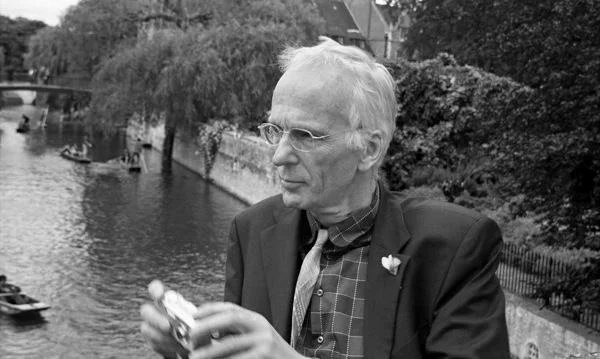
Jon Sanders was born in Kent and, after studying at Cambridge University, trained in film at the Slade School of Art under Thorold Dickinson. He has worked widely across the film industry as an editor, sound recordist—most notably on the Oscar-winning From Mao to Mozart—documentary maker (Then When the World Changed, co-directed with Roger Deakins), and writer/director. His collaboration with artist Lucia Nogueira, Smoke (1996), is part of the Tate Collection. Sanders’ first feature, Painted Angels, premiered at the Rotterdam Film Festival and was released by Artificial Eye in 2000. He went on to direct Low Tide (2008), Late September (2012), Back to the Garden (2013), A Change in the Weather (2017), and A Clever Woman (2023), which premiered at the Edinburgh International Film Festival before screening in independent cinemas nationwide. A retrospective of his work was held at the ICA in September 2023. He has recently completed shooting a new feature film to be released next year.
James Scott - http://www.james-scott.com/
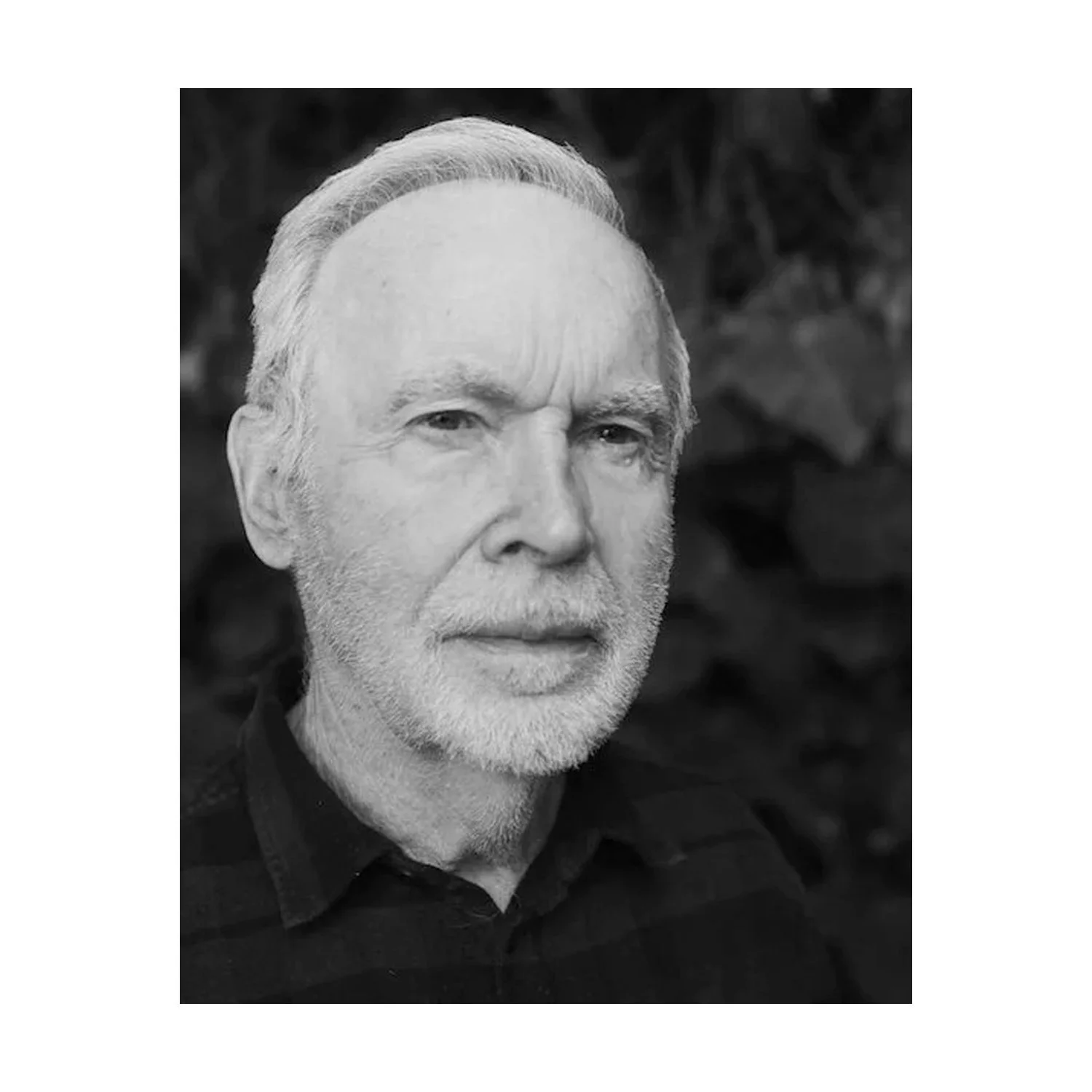
James Scott studied painting and theatre design at the Slade School of Fine Art in the early 1960s, where his interest in film led to his acclaimed debut The Rocking Horse (1962) and, soon after, the chance to direct his first feature with Tony Richardson at age twenty-one. He went on to merge filmmaking with his art background through pioneering films on artists such as David Hockney and Richard Hamilton. After a long friendship and work association with Marc Karlin, in November 1970, they talked about a film about women janitors who worked all night cleaning office buildings. Soon, they were joined by Humphry Trevelyan as they filmed the first cleaners strike.
While developing his interest in narrative form, he directed the Academy Award–winning A Shocking Accident (1982), adapted from a short story by Graham Greene.
Scott moved to Los Angeles in the early 1990, later returning to painting. After a career of 60 years as a filmmaker, he recently completed a new documentary on the Catalan painter and activist Antoni Tàpies.
Humphry Trevelyan - https://www.imdb.com/name/nm1936061/
Humphry Trevelyan has worked in film, broadcast and film education since 1969. Throughout the 1970’s he played a leading role in the development of independent film production in London, as a member of the independent film collectives Cinema Action, and The Berwick Street Film Collective. Notable films produced by the latter include ‘Nightcleaners’ (1974) ‘Ireland Behind the Wire’ (1973) and ’36 to 77’ (1978). He was involved in the formation of the Independent Filmmakers Association. During this period he was a director of Lusia Films Ltd, producing documentaries and corporate productions, and providing filmmaking facilities to the independent film sector, including groups like the London Womens Film Group. He joined Granada TV in 1979, working as director of photography until 1987 on programmes such as ‘World in Action’, ‘History of TV’ and ‘The End of Empire’, as well as several drama series.
From 1987 he has worked mainly in higher education, leading and developing high quality film education and training at UK universities, such as Westminster University, Goldsmith’s College, the Northern Media School, the International Film School Wales, and the Bournemouth Film School as film subject. During this time, he has continued to develop and work on independent film productions.